
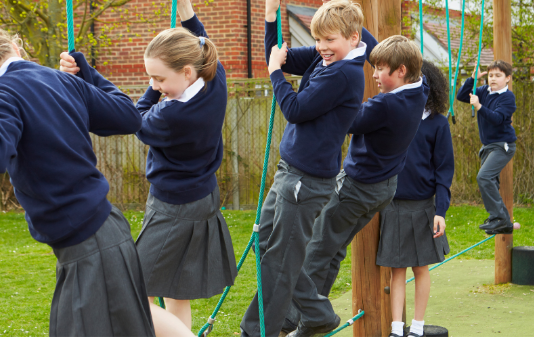
Growing up in an ever-changing world demands more than just academic knowledge. Kids today need to be flexible, open-minded, and quick on their feet. That’s where an international school in Singapore comes into play. With diverse student bodies, globally recognised curricula, and multicultural exposure, these schools create an environment where adaptability isn’t just encouraged—it becomes second nature.
A Multicultural Learning Space
Step into an international primary school, and you’ll hear different languages, see varied traditions, and witness students learning from one another. Unlike traditional schools where a single culture dominates, these institutions expose children to a variety of perspectives.
A student in an international primary school in Singapore might collaborate on a project with classmates from five different countries. They’ll experience different communication styles, social norms, and even approaches to problem-solving. These small but impactful experiences train children to navigate diverse situations, preparing them for a future where cross-cultural interactions are the norm.
Language and Communication Skills
Nothing forces adaptability quite like learning to communicate with people from different backgrounds. In an international school in Singapore, students often become bilingual or even multilingual. Exposure to multiple languages from an early age fine-tunes their ability to switch between communication styles, helping them become more receptive to unfamiliar situations.
Language learning isn’t just about vocabulary—it’s about understanding nuances, tone, and even non-verbal cues. This skill extends beyond the classroom, shaping how students interact in real-world settings, whether it’s negotiating group projects or making new friends from different cultures.
A Curriculum Designed for Change
Most international primary schools follow globally recognised curricula such as the International Baccalaureate (IB) or the Cambridge International Curriculum. These programmes don’t just focus on rote memorisation—they encourage critical thinking, creativity, and flexibility.
Instead of rigid lesson structures, students often engage in inquiry-based learning, where they’re encouraged to ask questions, challenge ideas, and explore solutions. This approach mirrors real-world scenarios where there isn’t always a single correct answer. By fostering curiosity and resilience, these schools help children become comfortable with uncertainty—an essential aspect of adaptability.
Social Adaptability and Emotional Intelligence
Adapting isn’t just about handling academic challenges—it’s also about adjusting to different social situations. Students in an international primary school in Singapore regularly meet peers with different customs, beliefs, and perspectives. These interactions teach them empathy, patience, and how to navigate unfamiliar social settings.
A child who learns to respect different traditions and accommodate varying viewpoints will grow into an adult who can work with diverse teams. Employers increasingly value professionals who can adapt to multicultural workplaces, and these early school experiences lay a strong foundation for that skill.
Also Check Out: The Impact of Art Education in Fostering Emotional Intelligence in Children
Real-World Readiness
An education that prioritises adaptability doesn’t just benefit students in the classroom—it prepares them for life. Whether they choose to stay in Singapore or move abroad, children who attend an international school in Singapore gain an edge when it comes to handling transitions. New environments, unfamiliar customs, and unexpected challenges don’t faze them because they’ve spent years learning to adjust and embrace change.
Many alumni from these schools thrive in industries that require collaboration across cultures, such as diplomacy, international business, and global non-profits. Their ability to think on their feet, understand diverse perspectives, and communicate effectively makes them highly sought after in the job market.
Is an International School the Right Choice?
For parents wondering whether an international primary school is the right fit for their child, the answer lies in the long-term benefits. If the goal is to raise a well-rounded, adaptable individual who can thrive in any setting, then the exposure, curriculum, and social dynamics of an international school provide an invaluable experience. Contact The Grange Institution to explore how an international education can equip your child with adaptability and global awareness.