In a diverse country like Singapore, parents rightly expect cultural education to be part of their child’s early learning. But while many schools claim to support multiculturalism, only the best preschools in Singapore do so meaningfully and consistently. Superficial lessons or one-off celebrations don’t build cultural competence. Instead, the best kindergarten Singapore institutions avoid the mistakes that limit growth and instead create programmes that raise children to respect and engage with differences.
Here are five ways average preschools fall short—and how Singapore’s top kindergartens do it better.
1. Treating Multiculturalism as a Festival Checklist
It’s easy for schools to line their calendar with cultural events, but simply acknowledging holidays doesn’t provide children with meaningful understanding. Many preschools fall into the habit of celebrating major festivals like Lunar New Year or Deepavali with costumes or food, without offering the context behind them. As a result, children may remember the fun but fail to grasp the values, stories, and meanings connected to each event.
Odyssey The Global Preschool avoids this shallow approach by embedding cultural learning into their daily routines. With a Reggio Emilia-inspired model, children explore global themes year-round through project-based learning. Whether it’s studying the flags and music of a country or creating art that reflects different traditions, the learning is consistent, age-appropriate, and immersive.
2. Overlooking Everyday Inclusion in Classrooms
While some preschools put up international flags or introduce occasional cultural crafts, they don’t reinforce inclusion in daily learning. True multicultural education isn’t a special event—it’s something children see, hear, and do each day. Class materials, routines, and conversations should reflect different cultures, languages, and lived experiences.
At Brighton Montessori, diversity is embedded in the classroom culture. Through simple routines—like greeting each other in different languages or sharing snacks from different countries—children begin to see cultural variation as a natural and normal part of life. Teachers also include cultural artefacts and books across subjects, allowing children to explore similarities and differences through hands-on engagement.
3. Failing to Involve Families in Cultural Lessons
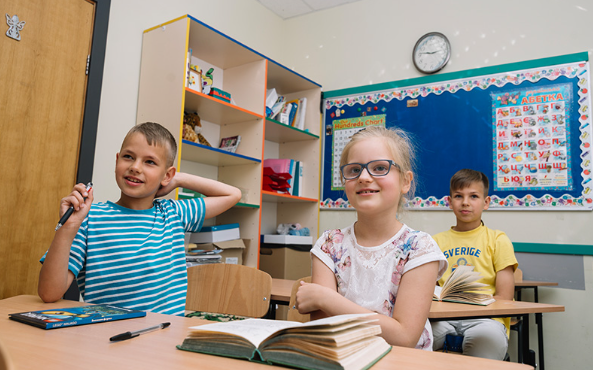
A classroom scene
Many schools overlook the role of family and community in teaching diversity. Without input from real families and their traditions, multicultural education becomes abstract or overly simplified. Involving parents adds richness and authenticity to the learning experience, while also building a stronger school-home connection.
NAFA Preschool makes this a priority. Known for its arts-integrated approach, the school regularly invites families to contribute to class projects. Whether through storytelling, music, or food demonstrations, parents become part of the cultural learning process. Children don’t just learn about other traditions—they experience them directly, making the lessons more personal and memorable.
4. Assigning Cultural Topics to Untrained Teachers
Discussing topics like religion, ethnicity, and identity requires nuance. Unfortunately, many preschools rely on well-meaning but underprepared teachers to deliver these lessons. Without training, it’s easy to fall into stereotypes, avoid hard questions, or present diversity in an imbalanced way.
EtonHouse International takes this seriously. The school provides ongoing professional development on diversity, inclusion, and classroom equity. Teachers learn how to facilitate open conversations, avoid bias, and build empathy. This ensures that multiculturalism isn’t reduced to a theme week—it becomes part of how every lesson is taught and every student is supported.
5. Ignoring Religious Diversity in Values Education
Some preschools promote character development through a fixed moral lens but fail to acknowledge different belief systems. While values-based education is important, excluding religious or cultural perspectives can narrow children’s worldview or unintentionally alienate families.
Little Seeds Preschool balances its Christian framework with a broader respect for diversity. Students are introduced to different worldviews and practices in a way that promotes kindness, empathy, and curiosity. It’s not about teaching every religion—it’s about preparing children to interact respectfully with others who may see the world differently.
Cultural Learning Deserves More Than Surface Attention
It’s easy to talk about diversity, but far harder to implement it in a meaningful, consistent way. The best kindergarten Singapore families trust—like EtonHouse International, Odyssey The Global Preschool, Brighton Montessori, Little Seeds Preschool, and NAFA Preschool—go beyond surface-level activities. They embed cultural understanding into every layer of school life, from daily classroom interaction to teacher training and community involvement. In doing so, they help children develop curiosity, empathy, and confidence in a diverse world.
Visit Best Picks to see how these standout schools are leading the way in global-ready early education.